
There’s something magical about arriving in a Japanese city you know almost nothing about.
I stepped out of Hakata Station on a crisp April morning, tired from the flight but buzzing with that familiar travel excitement. Fukuoka wasn’t Tokyo. It wasn’t Kyoto. It was quieter, slower, and exactly what I needed.
If you’re planning a trip to Japan in 2026, let me tell you why Fukuoka deserves a spot on your itinerary – and how to spend three perfect days here when the cherry blossoms are out.
When to Go: The 2026 Cherry Blossom Window
I timed my visit for peak sakura season, and honestly? It was worth every minute of planning.
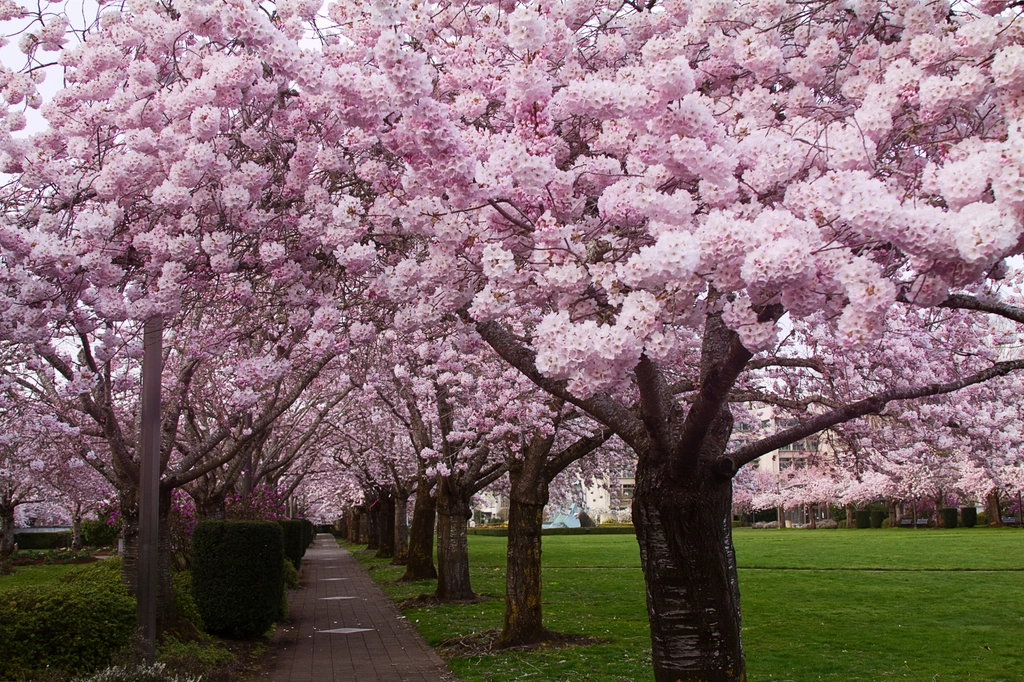
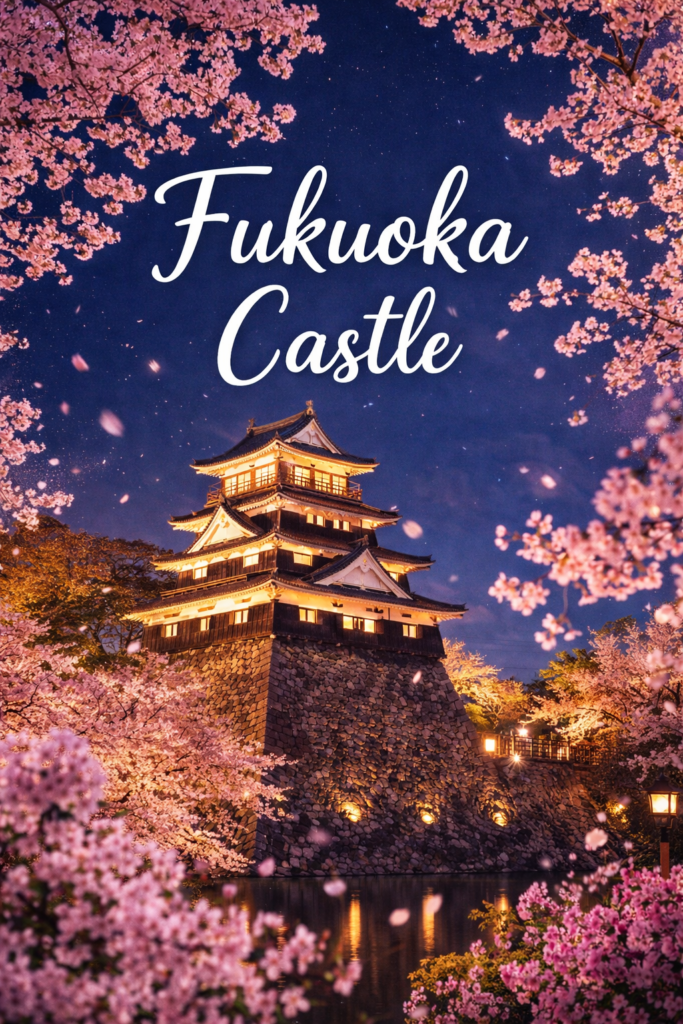
For 2026, the cherry blossoms in Fukuoka are expected to start blooming around March 21–22, with full bloom hitting between March 30 and April 1 . The famous Fukuoka Castle Sakura Festival runs from March 25 to April 5, which means you get both daytime picnics and magical nighttime illuminations.
The festival isn’t just about looking at trees (though there are over 1,000 of them at Maizuru Park). At night, they light up the stone walls and blossoms with over 500 lanterns, and three special areas – the Sakura Orchard, Tamon-yagura Turret, and the Site of Otaka Residence – turn into paid viewing zones that feel straight out of a dream .
👉 Book your flights early – I found great deals on Booking.com and you can too.
My 3-Day Fukuoka Itinerary (Slow Travel Edition)
Day 1: Arrival, Ramen, and First Sakura
I landed at Fukuoka Airport – which is ridiculously close to the city center, about 10 minutes by subway – and dropped my bags at the hotel. If you’re coming from Tokyo or Osaka, the Shinkansen connection is seamless now. Thanks to a new partnership between Trip.com and Japan Railways, you can book Shinkansen tickets online in advance and even use QR codes to board . No more stressing at ticket machines!
Afternoon: I walked to Maizuru Park, where the castle ruins sit. The cherry blossoms were just starting to open, and locals were already laying out tarps for evening picnics. I found a bench, opened the onigiri I’d bought at a convenience store, and just… sat there. No phone. No photos (okay, a few). Just watched the petals drift down.
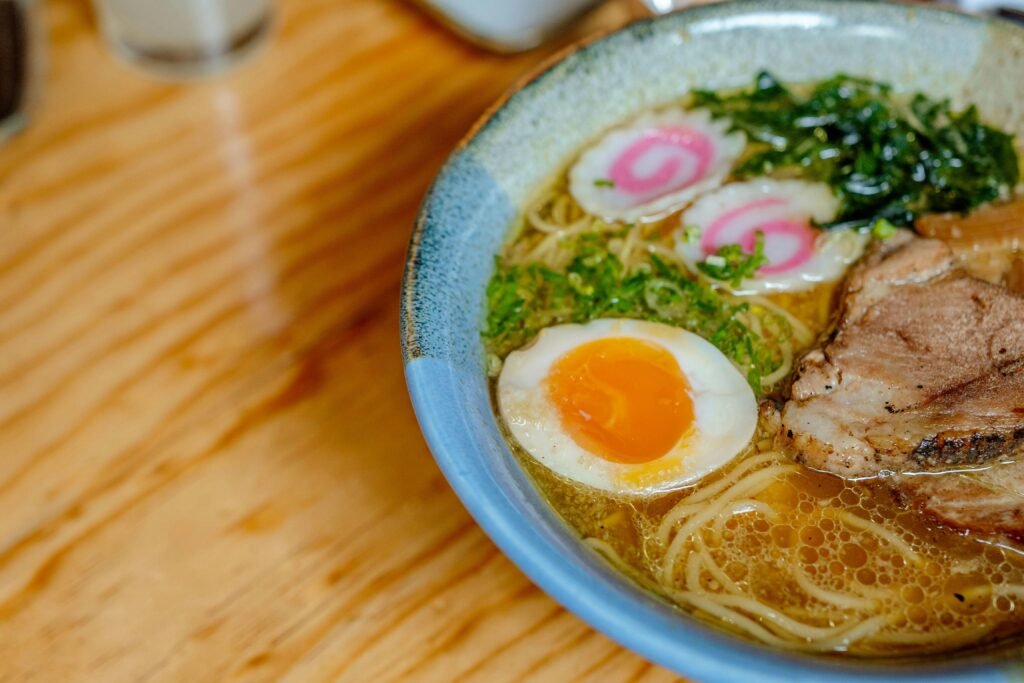
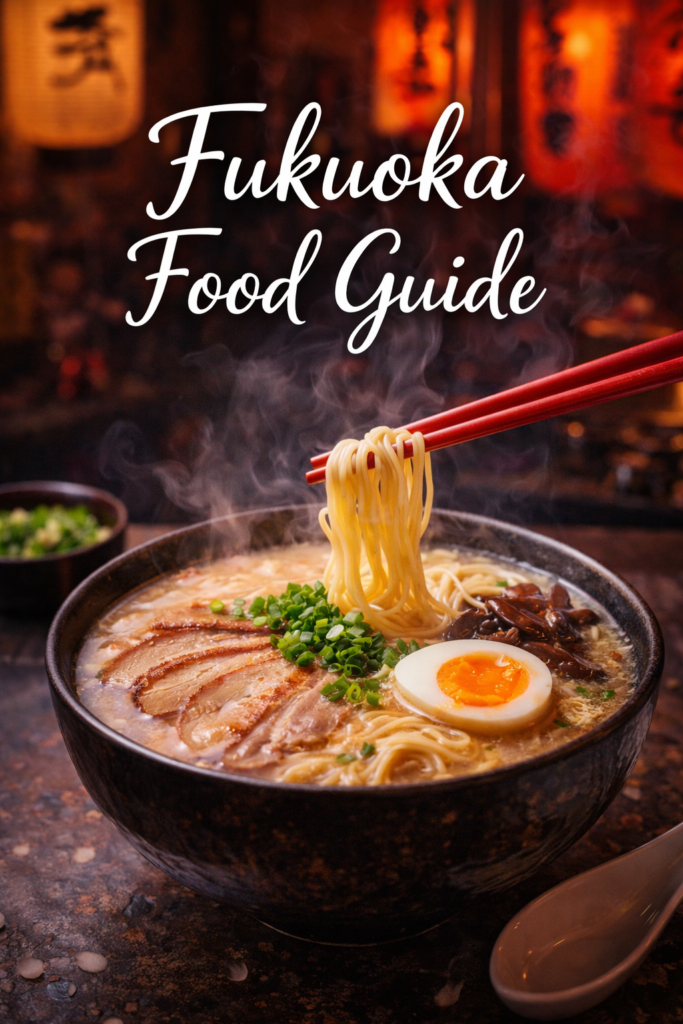
Evening: You cannot come to Fukuoka and not eat ramen. This city is famous for it. I headed to the yatai – those little food stalls along the Nakasu River. They’re open in the evening, seating maybe 8 people at a time, and the atmosphere is unbeatable. I squeezed onto a stool at a ramen stall, ordered the Hakata-style tonkotsu ramen (creamy pork broth, thin noodles), and watched the cook work his magic.
💤 Where I stayed: I booked a room at the Nishitetsu Hotel Croom Hakata – modern, clean, and steps from the station. If you want something more traditional, the Iroriyado Hidaya is a ryokan-style gem in the heart of the city. Check availability on Booking.com.
Day 2: Dazaifu, Shrines, and Umeshiso
Morning: I took a local train (about 30 minutes) to Dazaifu, a charming town just outside Fukuoka. The star here is Dazaifu Tenmangu, a shrine dedicated to the god of learning. Students come from all over Japan to pray for exam success. The approach to the shrine is lined with shops selling umeshiso – a sweet plum candy that’s dangerously addictive.
I spent a couple of hours wandering the grounds, feeding the koi fish in the pond, and watching the light filter through the cherry trees. There’s also a small museum if you’re into history, but honestly, I just sat on a bench and people-watched.
Lunch: I found a tiny soba place near the shrine entrance. No English menu, just a grandma who gestured to a photo and brought me the most perfect bowl of cold soba with dipping sauce.
Afternoon: Back in Fukuoka, I took a ferry to Nokonoshima Island – it’s only 10 minutes from the mainland and feels like another world. The island park has about 200 cherry trees and fields of bright yellow rapeseed flowers in spring . You can even do a BBQ lunch there with fresh seafood and local meat . I didn’t have time for the full BBQ, but I walked through the flower fields and watched the sun start to dip.
👉 Book the Nokonoshima Island ferry + BBQ combo in advance – spots fill up fast during cherry blossom season.
Day 3: Kushida Shrine, Canal City, and One Last Bowl
Morning: I visited Kushida Shrine in the heart of the city. It’s one of Fukuoka’s most important shrines, and during spring, the grounds are dotted with cherry trees. I picked up an omamori (lucky charm) for safe travel and wrote my wish on an ema wooden plaque.
Lunch: I wandered into Canal City Hakata, a massive shopping and entertainment complex, mostly to see the famous ramen stadium – a whole floor dedicated to ramen shops from all over Japan. I wasn’t hungry enough for another bowl (yet), so I grabbed a matcha latte and watched the fountain show.
Afternoon: I spent my last few hours in Tenjin, Fukuoka’s trendy shopping district. But instead of shopping, I found a small coffee shop on a side street, ordered a pour-over, and wrote postcards. Slow travel, right?
Final dinner: One last yatai visit. This time I tried yakitori (grilled skewers) and struck up a conversation with a Japanese businessman who wanted to practice his English. He insisted on buying me a drink. Travel moments like that, you can’t plan.
Getting Around Fukuoka (and To/From)
- From Tokyo/Osaka: Take the Shinkansen. Book through Trip.com now – you can reserve seats, choose Green Car, and get QR code boarding . [Check Shinkansen schedules and prices]
- Within Fukuoka: The subway is simple. Get a reloadable Hayakaken card from any ticket machine.
- To Dazaifu: Local train from Hakata or Tenjin. About 30 minutes, covered by IC card.
- To Nokonoshima Island: Subway to Meinohama, then ferry (10 minutes). Ferries run frequently
Where to Eat in Fukuoka (My Personal Picks)
Ichiran Ramen (main branch)
You can’t come to Fukuoka and not eat at Ichiran. This is the birthplace of the famous tonkotsu ramen, and their main branch is an experience in itself. You order from a vending machine, sit in a small wooden booth, and focus entirely on the bowl in front of you. The broth is creamy, the noodles thin, and you can customize everything from richness to spice level. It’s meditative, delicious, and so Fukuoka.
Nakasu yatai stalls
Every evening, the yatai – small food stalls – line the Nakasu River. Each one seats maybe 8 people, and the atmosphere is pure magic. I sat at a ramen stall my first night, squeezed between a businessman and a couple on holiday, and watched the cook prepare everything right in front of me. No menus in English, just pointing and smiling. Order whatever the chef recommends. It’s simple, it’s social, and it’s unforgettable.
Dazaifu umeshiso shops
On the approach to Dazaifu Tenmangu, you’ll find tiny shops selling umeshiso – a sweet plum candy that’s made right there. Watch them stretch and fold the hot sugar, then buy a piece to eat while you walk. It’s chewy, slightly tangy, and dangerously addictive. I brought some home and regretted not buying more.
Nokonoshima Island BBQ
If you make it to Nokonoshima Island (and you should), book the BBQ lunch in advance. You get fresh seafood, local meat, and vegetables to grill at your own table, with the flower fields and ocean right there. It’s casual, scenic, and perfect for a slow afternoon. Spots fill up fast during cherry blossom season, so don’t leave it for the day.

Where to Stay in Fukuoka (My Recommendations)
Hakata Station area – Nishitetsu Hotel Croom Hakata
This is where I stayed. It’s modern, clean, and steps from Hakata Station – perfect if you’re arriving by Shinkansen or planning day trips. The rooms are compact (it’s Japan), but well designed, and the breakfast buffet has both Japanese and Western options. Comfortable, convenient, and good value.
Tenjin area – Solaria Nishitetsu Hotel
If you prefer shopping, cafes, and nightlife, stay in Tenjin. Solaria Nishitetsu is centrally located, stylish, and a bit more upscale. The rooms are slightly larger, and there’s a beautiful lounge area. Great for couples or solo travelers who want to be in the heart of the action.
👉 Check availability on Booking.com
Fukuoka Travel Tips (From My Mistakes)
- Bring a light jacket for evenings. Even in April, nights get chilly, especially at the castle illumination .
- Learn a few Japanese phrases. “Arigato gozaimasu” and “sumimasen” go a long way. People appreciate the effort.
- Carry cash. Many yatai stalls and small shops don’t take cards.
- Book the Nokonoshima BBQ in advance. It’s popular with locals and tourists alike .
- Don’t over-plan. Leave time to just sit in a park, watch the cherry blossoms, and do nothing. That’s the whole point.
Final Thoughts
Fukuoka wasn’t on my radar when I first planned my Japan trip. It became the highlight.
There’s a gentleness to this city. The pace is slower, the people warmer, the food so good it hurts. And watching those 1,000 cherry blossoms light up at night against the ancient stone walls of the castle ruins? That’s a memory I’ll carry for a long time.
If you go in 2026, tell the old man at the yatai I say hello. And save room for extra noodles.
Liked this post? Pin it for later! 👇
This post contains affiliate links. If you book through them, I may earn a small commission at no extra cost to you. Thank you for supporting my slow travel stories.